The Clearance That Never Comes: Reading Forced-Labor Detention Data Before CBP Reads Your File
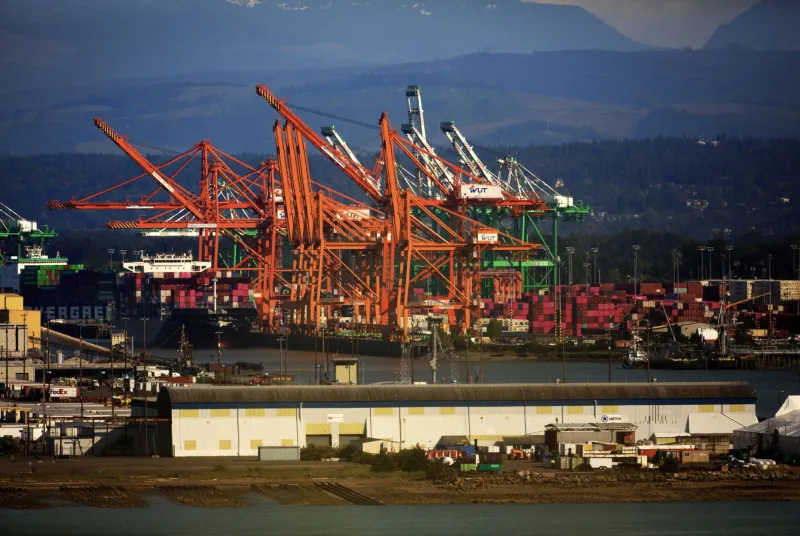
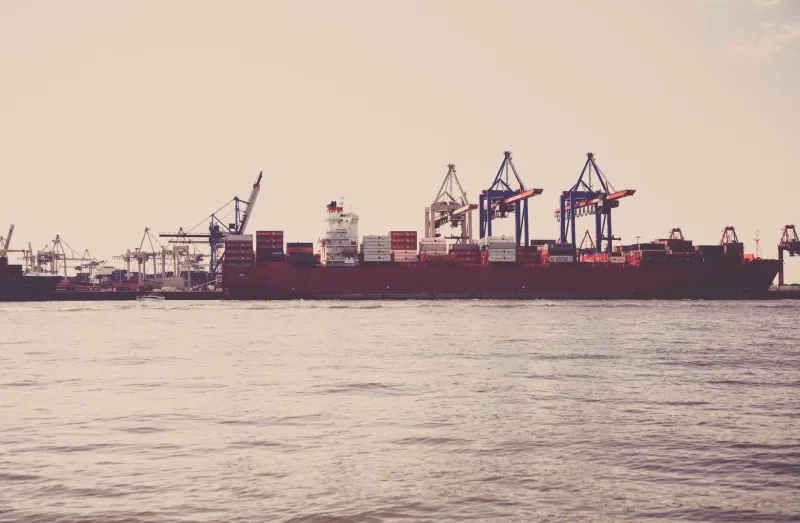
For much of the past decade, forced-labor enforcement was something US importers read about rather than experienced. That has changed. In 2026, detentions tied to the Uyghur Forced Labor Prevention Act and to withhold release orders are a routine feature of the admissibility process at major gateways, and the entity list maintained by the Forced Labor Enforcement Task Force keeps growing — adding companies, aliases, and addresses far more often than it removes them. The practical result is a container that arrives with a clean manifest, a paid duty estimate, and a confirmed delivery appointment, then sits at a marine terminal for weeks while CBP evaluates whether the goods were made, in whole or in part, with forced labor.
The importer's problem is not primarily legal doctrine. It is informational. CBP's determinations turn on whether an importer can demonstrate, with documents, that the supply chain is clean. That makes forced-labor exposure a data discipline — one that can be measured, budgeted, and managed, provided it is treated as an operating function rather than a call to counsel placed after the container is already on the dock.
Detention Is an Information Event, Not a Verdict
When CBP detains a shipment on forced-labor grounds, it issues a notice that identifies the statutory basis and, in most cases, the specific documents the agency wants to see. The response window is short, the requested material is specific, and the outcome is one of three: release, exclusion, or seizure. Importers who treat the notice as a legal formality — forwarding it to a broker and waiting — tend to lose the window and, with it, the shipment.
The better practice is to treat the notice as a data request with a deadline attached. That means a named owner inside the company, a pre-built folder structure, and a standing list of documents that can be assembled in hours rather than days. Detention is not a verdict. It is a test of whether your records were ready before the question was asked.
What Public Data Actually Reveals
CBP's UFLPA statistics dashboard is updated monthly and reports the number of shipments reviewed, the number denied, and the value of goods affected, broken out by port and by HTS chapter. The dashboard is not a prediction engine, but it is a map of where enforcement is concentrating. If your commodity and your gateway both appear in the same rows month after month, your baseline risk sits above the national average, and your documentation standard should reflect that.
Three other sources belong in the same monthly review. First, the UFLPA Entity List itself, which grows by dozens of entries a year and includes aliases and addresses — cross-reference suppliers by address and by corporate parent, not only by name. Second, the withhold release orders and findings published by CBP, which apply to specific producers and, in some cases, to entire regions or industries. Third, the dockets at the Court of International Trade, where challenges to detentions are litigated and where the records reveal what evidence CBP found persuasive and what it did not.
The necessary caution is that all of this data lags. The absence of your product from a list is not evidence of admissibility. It is evidence that nobody has looked yet.
Building a Traceability File That Survives Scrutiny
The standard importer response — a supplier attestation and a certificate of origin — is close to worthless in a forced-labor proceeding. CBP has seen too many of them. What holds up is a supply chain map that traces each finished good back to the raw material, with documents at every link.
In practice, that means a bill of materials broken out by component and by origin; production records showing where each stage occurred; wage and hour records for the producing facility; recruitment-fee policies and evidence of how they are enforced; and transport documents demonstrating that inputs did not transit prohibited regions. For commodities such as polysilicon, cotton, aluminum, and certain seafood, the raw-material origin question is the whole case, and it cannot be answered with a purchase order.
Two disciplines separate a file that works from one that merely exists. The first is version control: date every document, note who provided it, and retain the superseded versions. The second is scope: map to tier two and tier three suppliers, because the entity on your commercial invoice is rarely the entity that made the input CBP is asking about.
The First Seventy-Two Hours
When a detention notice lands, four things should happen in parallel. Confirm the specific basis and the deadline in writing. Freeze further bookings from the affected supplier until the file has been reviewed. Assemble the traceability package with an index that mirrors the order of the agency's request. And open a conversation with the broker, the carrier, and the customer about realistic timing, because demurrage, detention, and storage charges begin accruing immediately and are rarely recoverable.
Importers should also decide early whether to contest, export, or abandon. Each path has a different cost profile, and the decision is better made on day two than on day twenty. Documenting that decision matters as much as making it: a written rationale protects the importer in later disputes and keeps the next detention from becoming an improvisation.
Folding Compliance Back Into the Calendar
The most expensive version of this problem is the one discovered at the dock. The cheaper version is discovered at purchase order. Importers who build supplier screening into sourcing, add two to four weeks of compliance lead time on high-risk lanes, and maintain a qualified alternate supplier for their top SKUs convert a crisis into a scheduling variable.
None of this requires a law firm on retainer. It requires a calendar, a folder structure, and the discipline to refresh both every month — before the next container arrives and the question is asked again.