The Math of Waiting: When Bonded Storage and Foreign-Trade Zones Actually Pay for Themselves

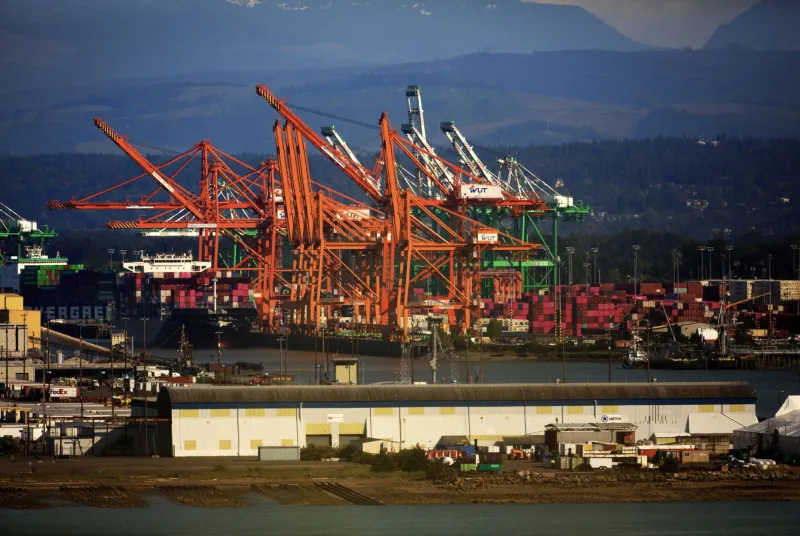
Photo: Donna Fricker, Public domain, via Wikimedia Commons
In 2026, the tariff line on a US importer's cost sheet is no longer a stable number. Section 301 reviews, Section 232 expansions, litigation over emergency tariffs, and the ordinary churn of classification and valuation have made duty a moving target. For importers holding inventory, the result is a familiar squeeze: duty is paid at entry, revenue arrives months later, and the gap is financed with working capital.
Duty deferral is the traditional answer, and it is widely misunderstood. Bonded warehouses, foreign-trade zones, and drawback are frequently discussed as though they were interchangeable. They are not. They are three instruments with different mechanics, different costs, and different risk profiles, and only two of them defer anything at all.
Three Tools, Three Mechanics
A bonded warehouse suspends duty. Goods are entered into the warehouse, stored, and duty is paid when they are withdrawn for consumption — up to five years later. A foreign-trade zone goes further: merchandise is admitted to the zone and does not enter US commerce, and therefore does not attract duty, until it is entered from the zone. Drawback is different in kind. It refunds duty already paid on imported goods that are later exported or destroyed, recovering up to 99 percent of the duty, but it is a refund mechanism, not a deferral one.
For an importer allocating capital, the relevant question is not which tool is best in the abstract. It is which tool fits the product, the holding period, and the volatility of the tariff line.
Bonded Warehousing: Simple Mechanics, Real Rate Risk
A bonded warehouse is the lower-complexity option. The importer files a warehouse entry, stores goods in a CBP-bonded facility — either a public warehouse or a private one — and pays duty at withdrawal. The administrative burden is modest: a continuous bond, accurate inventory records, and a broker who understands warehouse entries.
The risk that importers consistently underestimate is the rate at which duty is calculated. For bonded warehouse withdrawals, duty is generally assessed at the rate in effect on the date of withdrawal, not the date of entry. If tariffs rise while goods sit in storage, the importer pays the higher rate. In a period when tariff changes can be announced with little notice, that is not a theoretical exposure. It is an unhedged short position in a policy outcome.
Foreign-Trade Zones: More Control, Considerably More Administration
An FTZ requires a grant from the FTZ Board, activation by CBP, and an inventory control system that can satisfy both. In exchange, the importer gets several things a bonded warehouse cannot offer: duty is deferred until entry from the zone, entries can be filed weekly rather than per shipment, and the importer may elect privileged foreign status at admission, which locks in the classification and duty rate for merchandise that will be entered later.
That election is the heart of the matter, and it cuts both ways. Privileged foreign status protects against rate increases but forfeits the benefit of rate decreases. Non-privileged status preserves the rate at entry from the zone, which is advantageous if tariffs fall and disadvantageous if they rise. The choice must be made at admission and is difficult to unwind, so it belongs in the same conversation as the hedging strategy, not the warehouse manager's checklist.
Zones also unlock the inverted tariff benefit: where the finished product carries a lower duty rate than its imported components, the importer pays the finished rate. Merchandise that is scrapped, destroyed, or exported from the zone generally leaves without duty.
What the zone does not do is eliminate exposure. Antidumping and countervailing duties still apply. Retail sale of merchandise inside a zone is restricted. Manufacturing in a zone may require additional FTZ Board authority. And the annual compliance load — inventory reconciliation, admissions records, annual reports — is real and recurring.
Where the Money Actually Comes From
The arithmetic is straightforward, which is why it is often skipped. Suppose an importer brings in $25 million of goods annually at an 8 percent duty rate, carrying $2 million of duty cost. If goods sit an average of four months before withdrawal, and the company's cost of capital is 8 percent, the annual carrying benefit is roughly $53,000.
Set that against a warehouse's rent, handling charges, bond premium, and the staff time required to keep inventory records clean. In many mid-market cases, the deferral benefit alone does not clear the cost. The case changes when the holding period is long, the duty rate is high, or the zone is producing an inverted-tariff or scrap benefit on top of the deferral.
The other scenario that justifies complexity is uncertainty itself. Importers facing a pending tariff determination may find that a privileged status election is worth more than the deferral math, because it converts an unknown future rate into a known one.
The Compliance Traps
Three failures recur. The first is a status election made by default rather than by analysis, which can leave an importer locked into an unfavorable rate for the life of the merchandise. The second is inadequate inventory control, which turns a routine CBP review into a reconciliation project and, occasionally, a penalty case. The third is a bond that was sized before the warehouse or zone program was added.
There is a fourth, subtler trap: treating deferral as avoidance. It is not, and describing it that way internally tends to produce decisions — on recordkeeping, on documentation, on zone status — that CBP will eventually test.
A Decision Framework
Four questions sort most cases. How high is the duty rate, and how likely is it to move? How long will the goods actually be held, as distinct from how long the plan says? What does capital cost the company today? And does the product present an inverted-tariff or re-export opportunity that adds savings beyond deferral?
If the combined benefit does not exceed the fully loaded cost of facility, software, and staff by a comfortable margin, the simpler answer is usually correct: pay the duty, negotiate better supplier terms, and keep the working capital line available. Deferral is a tool, not a strategy. It earns its place only when the math says so.