Priced Out of the Berth: What Dynamic Slot Pricing Means for US Importers — and How to Stay Ahead of the Curve
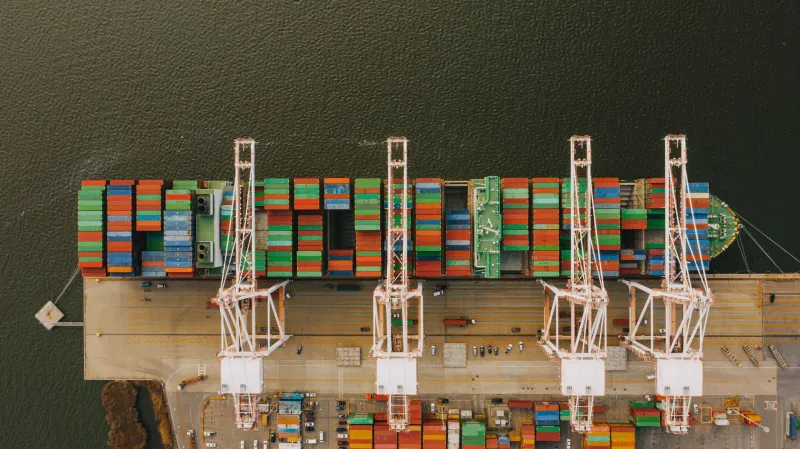
For decades, the economics of port access operated on a relatively predictable framework. Terminal operators charged established fees, vessel schedules were negotiated through long-term service contracts, and importers could reasonably anticipate port-side costs with a degree of confidence. That framework is eroding — and the mechanism driving its erosion is something most importers have not yet encountered in their rate sheets: real-time, demand-based pricing for vessel berth slots.
The concept borrows from industries that have long mastered variable pricing — aviation, hospitality, freight rail — and applies it to one of the most congestion-prone chokepoints in global trade: the terminal berth. As major US port complexes experiment with dynamic allocation systems, the implications for importer cost structures are significant, and the window to develop proactive strategies is narrowing.
What Dynamic Slot Pricing Actually Means
At its core, dynamic berth slot pricing assigns a variable monetary value to a vessel's right to occupy a terminal berth at a specific time. Rather than charging a flat wharfage or dockage rate, terminals operating under demand-based models adjust pricing according to real-time or near-real-time congestion signals — vessel queue depth, yard utilization rates, labor availability, and anticipated cargo volume.
Think of it as surge pricing applied to maritime infrastructure. When the Port of Los Angeles or the Port of Long Beach is running at or near capacity — a condition that has become increasingly common in the post-pandemic trade environment — berth slots during peak windows carry a premium. Off-peak slots, by contrast, may be offered at a discount to incentivize schedule shifting and smooth throughput.
This is not purely hypothetical. The Port of Los Angeles has been among the most vocal domestic advocates for deploying data-driven congestion management tools, and the broader LA/Long Beach complex has experimented with fee structures designed to encourage off-hours gate activity and cargo pickup. The Port of New York and New Jersey, managing one of the most complex terminal environments on the East Coast, has similarly explored dynamic incentive mechanisms as part of its broader efficiency initiatives.
While fully automated real-time slot auctions remain nascent, the directional shift is unmistakable. Terminal operators and port authorities are building the pricing infrastructure, and the importers who begin modeling these costs now will be far better positioned than those who encounter them unprepared.
Who Benefits — and Who Absorbs the Cost
The beneficiaries of dynamic slot pricing are not uniformly distributed across the supply chain. Terminal operators stand to gain directly through increased revenue during high-demand periods and improved yard management through price-driven demand smoothing. Ocean carriers, depending on how slot costs are structured within their service contracts, may pass a portion of these charges downstream — or absorb them as a cost of maintaining preferred berth access.
For importers, the picture is more complicated. Large-volume shippers with dedicated vessel space agreements and established carrier relationships may find that their existing contracts provide some insulation, at least in the near term. Carriers with long-term terminal agreements may lock in berth access at rates negotiated before dynamic pricing was introduced, effectively buffering their largest customers from immediate exposure.
Mid-sized and smaller importers operating on spot-market freight or short-term service contracts face greater vulnerability. Without the leverage to negotiate preferred berth timing or the volume to justify priority terminal relationships, these shippers may find themselves paying market-rate premiums during the periods when their cargo is most likely to move — precisely because their supply chains are less flexible.
The asymmetry is meaningful. Dynamic pricing models, when applied to constrained infrastructure, tend to reward those with the capital and scale to optimize around price signals. Importers who cannot shift shipment timing, reroute through alternative gateways, or pre-position inventory to accommodate schedule flexibility will bear a disproportionate share of peak-period cost increases.
The Forecasting Problem
One of the most pressing operational challenges dynamic slot pricing introduces is the forecasting problem. Traditional landed-cost models are built on relatively stable port-side fee assumptions. Importers and their customs brokers calculate duties, freight, drayage, and terminal charges with reasonable predictability. When one of those variables becomes a floating figure tied to real-time market conditions, the entire cost model requires restructuring.
Importers who have not yet integrated port congestion data into their procurement and logistics planning workflows are at a distinct disadvantage. The data signals that drive dynamic pricing — berth queue depth, terminal dwell times, vessel arrival patterns — are largely available through public port authority reporting and commercial vessel tracking platforms. The challenge is not data availability; it is analytical capacity.
Building a forecasting capability around dynamic port costs requires connecting vessel schedule data to historical congestion patterns, identifying the peak windows at each gateway your supply chain relies on, and modeling cost scenarios across a range of utilization levels. For importers with multiple port options — routing cargo through Charleston versus Savannah, or comparing East Coast gateways against Gulf alternatives — this analysis can also inform gateway selection decisions in ways that generate meaningful savings.
Practical Strategies for Importers
The transition toward demand-based port pricing is gradual, but it rewards early preparation. Several strategies merit serious consideration for logistics teams evaluating their exposure.
Engage carriers on berth cost pass-through language. As dynamic pricing becomes more prevalent, the contractual question of who absorbs variable berth costs will become a point of negotiation. Importers should review their service contracts and rate agreements for language that addresses terminal fee pass-throughs, and proactively raise the question with carrier representatives during the next rate cycle.
Invest in schedule flexibility where possible. The most effective hedge against peak-period pricing is the ability to shift cargo away from congested windows. This requires working with suppliers on production and shipment timing, maintaining adequate inventory buffers, and building carrier relationships that allow for schedule adjustments without penalty.
Diversify gateway exposure. Importers heavily concentrated at a single port complex — particularly LA/Long Beach or New York/New Jersey — face concentrated exposure to that terminal's pricing dynamics. Evaluating secondary or alternative gateways as part of a broader port diversification strategy provides both cost optionality and supply chain resilience.
Monitor port authority communications closely. Both the Port of Los Angeles and the Port of New York and New Jersey publish operational data, fee schedule updates, and policy announcements that signal directional changes in terminal pricing. Logistics teams that monitor these communications are better positioned to anticipate shifts before they appear in rate quotes.
Leverage freight forwarder and broker expertise. Experienced freight forwarders with strong terminal relationships often have visibility into emerging fee structures before they are formally published. Importers who maintain close communication with their logistics partners — rather than treating them purely as transactional service providers — gain access to market intelligence that can inform planning well in advance.
The Broader Implication
Dynamic slot pricing is, at its core, an efficiency mechanism. Ports facing chronic congestion have limited options: build more infrastructure, manage demand through pricing, or accept the status quo of bottlenecks and delays. Pricing-based demand management is faster to implement and less capital-intensive than physical expansion, which makes it an attractive tool for terminal operators operating under fiscal constraints.
For US importers, the question is not whether this pricing model will become more prevalent — the trajectory suggests it will. The question is whether your logistics operation will be structured to respond to it strategically or absorb it reactively. The importers building that analytical and contractual infrastructure today are the ones who will navigate the next phase of port economics with the least disruption to their margins.