Open Records, Closed Deals: How Savvy US Importers Are Mining Public Port Data for Negotiating Power
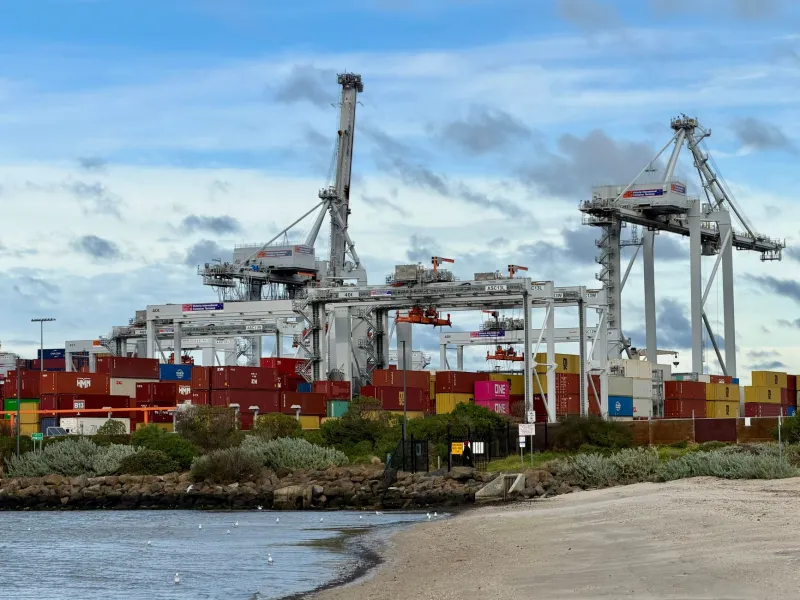
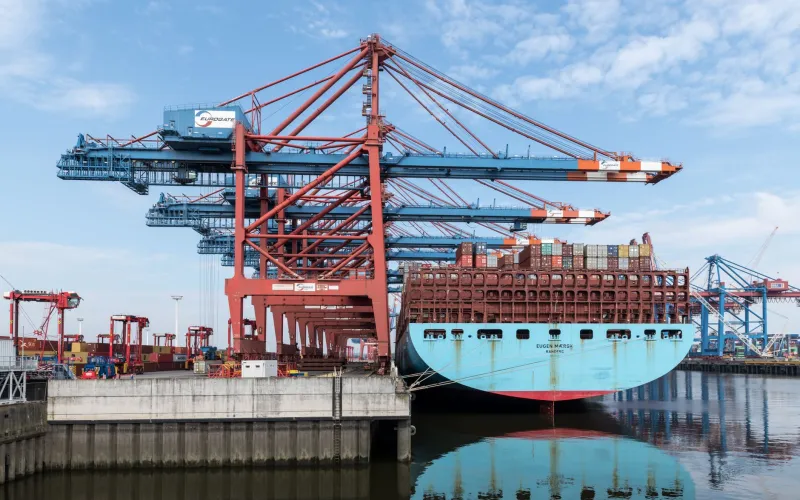
There is a peculiar asymmetry at the heart of most carrier and terminal negotiations. On one side sits a shipping line or terminal operator with years of proprietary performance data, vessel utilization figures, and berth productivity metrics. On the other side sits the importer—frequently armed with little more than a rate quote and a deadline. What many importers do not realize is that this information gap is largely self-inflicted. The data needed to level the playing field is, in many cases, already public. Port authorities publish it. Federal agencies compile it. And almost nobody uses it.
For US importers willing to invest modest time in research, publicly available port intelligence can become one of the most effective tools in a commercial negotiation arsenal.
Why Port Authorities Publish What They Publish
Understanding the motivation behind public data disclosure helps importers identify where to look and how to interpret what they find. Port authorities in the United States are, by and large, public entities—special-purpose government bodies accountable to state legislatures, municipal governments, or regional commissions. Their operating budgets, capital expenditure plans, and performance outcomes are subject to public scrutiny in ways that private logistics firms are not.
As a result, major US port authorities—including the Port of Los Angeles, the Port Authority of New York and New Jersey, the Georgia Ports Authority, and the Port of Seattle, among others—regularly release throughput statistics, vessel call records, gate transaction volumes, and dwell time averages. Some publish monthly operational scorecards. Others release annual strategic plans with multi-year capacity projections. The Federal Maritime Commission (FMC) adds another layer, maintaining public dockets on carrier agreements, service contracts, and, since the Ocean Shipping Reform Act of 2022, shipper complaint records that document specific fee disputes.
Taken together, these sources constitute a surprisingly detailed portrait of how a port is actually performing—and how much leverage importers may have in any given negotiating context.
The Datasets That Matter Most
Not all public data carries equal weight in a commercial conversation. The following categories tend to yield the most actionable intelligence.
Throughput and Capacity Utilization Reports Monthly and quarterly throughput figures reveal whether a port is operating near, at, or below its practical capacity. When a terminal is running at 60 percent utilization, the negotiating calculus for an importer seeking guaranteed berth windows or priority gate access is very different than when that same terminal is processing record volumes. The Port of Los Angeles, for instance, publishes monthly statistics on twenty-foot equivalent units (TEUs) handled, vessel calls completed, and rail movements executed. An importer reviewing these figures before contract renewal discussions with a terminal operator can enter that conversation with a clear sense of how urgently the terminal needs their business.
Dwell Time Averages Dwell time—the average number of days a container sits in a terminal yard before being retrieved—is one of the most consequential metrics in port operations, yet few importers track it systematically. When dwell times are elevated across a port, demurrage exposure for all importers increases. When they are low, it signals efficient terminal operations and, importantly, reduced carrier justification for surcharges tied to congestion. The FMC began collecting and publishing dwell time data from major ocean carriers following the 2022 shipping reforms, making this metric more accessible than it has ever been.
Vessel On-Time Performance The FMC's Ocean Carrier Reliability Dashboard, along with third-party aggregators such as Sea-Intelligence and Alphaliner, compiles schedule reliability data by carrier and trade lane. This information is invaluable when negotiating service level commitments. An importer who can demonstrate, using published figures, that a specific carrier's on-time arrival rate on the Transpacific Eastbound lane has averaged 52 percent over the prior six months is in a far stronger position to demand contractual remedies for delays than one who relies solely on anecdotal experience.
Capital Investment and Expansion Plans Port authority strategic plans and bond offering documents—often available through municipal securities filings or the port authority's own investor relations pages—outline planned infrastructure investments, berth expansions, and technology upgrades. Importers who identify a port investing heavily in automation or gate capacity may find that terminal operators at that location are actively courting volume commitments to justify the expenditure. That dynamic creates genuine room for negotiation.
Translating Data Into Negotiating Leverage
Possessing data is not the same as deploying it effectively. The translation from raw statistics to negotiating leverage requires both preparation and a degree of tactical discipline.
Consider a mid-sized apparel importer routing substantial volume through a Gulf Coast gateway. Prior to annual carrier contract negotiations, the importer's logistics team pulls throughput reports from the relevant port authority, cross-references them with FMC carrier reliability data for their primary shipping lines, and reviews the terminal operator's most recent quarterly operational report. What they find: terminal dwell times have declined 18 percent year-over-year, the port is operating at roughly 71 percent of rated capacity, and their primary carrier has posted schedule reliability figures well below the industry median on the relevant trade lane.
Armed with this picture, the importer's negotiating position shifts materially. Rather than simply accepting a rate quote, they can request a formal service level agreement with defined on-time performance thresholds, supported by the carrier's own published reliability record as justification. They can negotiate reduced free time on the premise that declining dwell times demonstrate the terminal's ability to process cargo efficiently. And they can use the port's available capacity headroom to explore whether a competing terminal might offer preferential terms to capture additional volume.
None of this requires proprietary research. It requires only that someone on the import team treat public data as a professional resource rather than background noise.
Building a Systematic Intelligence Practice
For importers moving consistent volume, an ad hoc approach to public data review is insufficient. The more effective model is to build a lightweight but systematic monitoring practice—assigning responsibility for monthly data pulls to a specific team member, maintaining a running log of key metrics across primary routing points, and scheduling a formal review of findings ahead of any carrier or terminal contract renewal.
Several tools simplify this process. The FMC's website maintains a dedicated section for Ocean Shipping Reform Act-related disclosures. The Army Corps of Engineers publishes waterborne commerce statistics through its Navigation Data Center. Individual port authority websites increasingly feature dedicated data portals with downloadable historical files. And the Bureau of Transportation Statistics compiles multimodal freight data that can help contextualize port performance within broader supply chain patterns.
Customs brokers and freight forwarders with strong port relationships can also serve as interpreters of this data, helping importers understand not just what the numbers say but what they mean for specific terminals, specific carriers, and specific commodity types.
The Competitive Advantage Nobody Is Claiming
It is worth stating plainly: the majority of US importers are not doing this work. Carrier and terminal sales teams, by contrast, are intimately familiar with the operational metrics of the ports they serve. They understand utilization levels, dwell dynamics, and competitive positioning because that knowledge is central to their commercial function. When importers arrive at the negotiating table without equivalent preparation, they cede ground that need not be surrendered.
Public data will not replace the relationships, market knowledge, and operational expertise that experienced logistics professionals bring to the table. But it provides a foundation of verifiable, third-party intelligence that can anchor commercial conversations in fact rather than assertion. For importers serious about managing costs and securing reliable service commitments, that foundation is too valuable to leave unexplored.